Our Educational Curriculum
A rigorous, evidence-based exploration of how traditional botanical ingredients interact with human gastrointestinal physiology to optimize digestive defense and microbial balance.
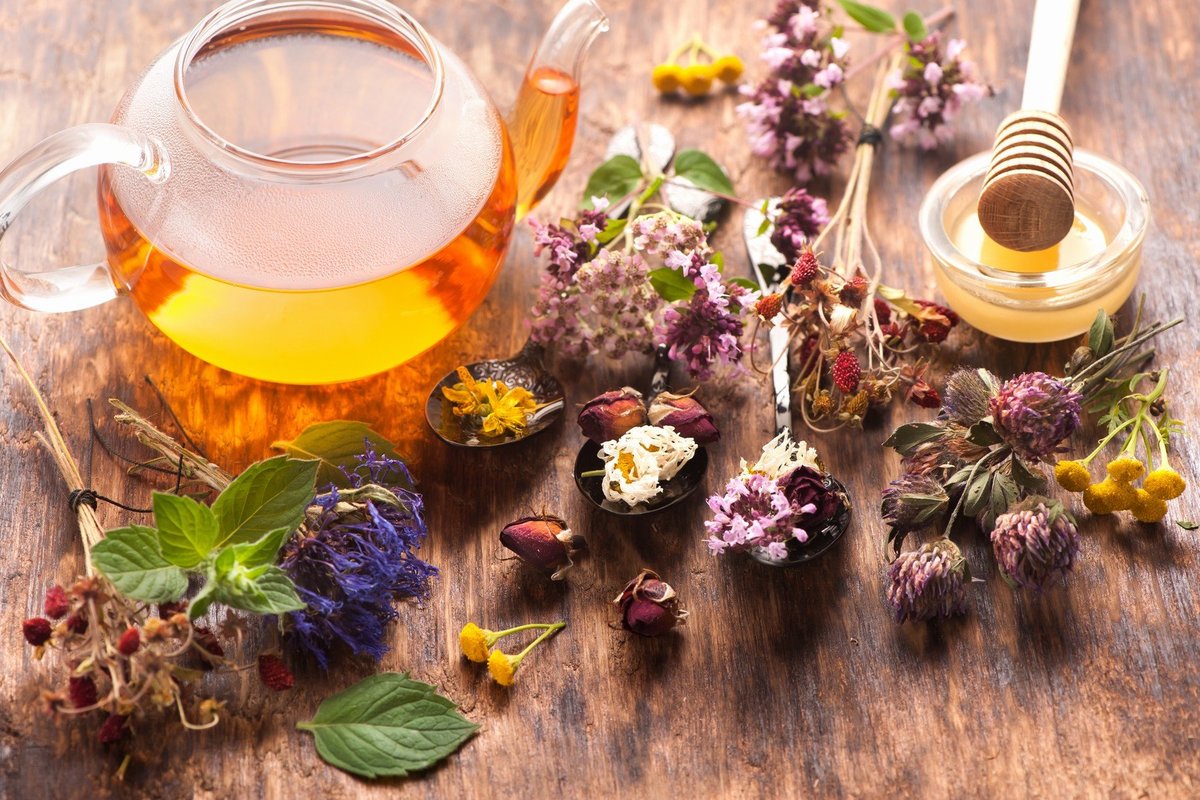
The Chemistry of Intestinal Balance
Traditional herbalism is not merely folklore; it is organic chemistry in action. Plants produce complex secondary metabolites—such as alkaloids, saponins, and essential oils—as self-defense mechanisms against environmental pathogens. When we consume these plants in the form of properly prepared hot-water infusions, we transfer these bio-active compounds into our own digestive tracts. Our educational program breaks down the exact biological pathways through which these compounds help regulate the intestinal environment, rendering it inhospitable to parasitic organisms while nurturing beneficial probiotic strains.
Program Modules & Scientific Core
Explore the five core educational modules designed to deepen your understanding of gastrointestinal botany.
Module 1: Gastric Acid & Primary Barriers
This module analyzes the stomach's primary defense line: hydrochloric acid. We study how bitter herbs (such as Gentian and Artemisia) stimulate the vagus nerve, prompting increased gastric secretions. A highly acidic stomach environment is the most effective natural barrier, neutralizing ingested pathogen larvae and eggs before they can reach the intestines.
- Understanding bitter receptors on the tongue
- The role of pH balance in microbial filtering
- Traditional Kenyan bitter botanicals and preparation methods
Module 2: Bile Secretion & Cleansing Pathways
We investigate the role of the liver and gallbladder in digestive hygiene. Bile is not only essential for fat digestion; it is also a powerful natural surfactant and antimicrobial agent. This module covers cholagogue herbs that stimulate bile flow, which physically cleanses the upper intestinal tract and discourages microbial stagnation.
- Bile acids as natural regulators of small intestinal flora
- Herbs that support hepatic detoxification pathways
- How steady bile flow prevents parasitic attachment
Module 3: Phytochemicals & Intestinal Ecology
A deep dive into the specific plant compounds that possess natural anti-parasitic and cleansing properties. Students will learn about the molecular structures of thymol, carvacrol, and various tannins, exploring how they disrupt the cellular membranes of opportunistic organisms without harming human host tissues.
- Astringent herbs and tissue toning
- The science of volatile oils (Oregano, Thyme, Clove)
- Standardization and safety profiles of herbal infusions
Module 4: Peristalsis & Physical Clearance
Stagnation is the ally of digestive imbalance. In this module, we examine how gentle carminative and mild laxative herbs support regular bowel motility. By ensuring consistent transit times, the body naturally expels metabolic waste and prevents opportunistic organisms from establishing permanent colonies in the colon.
- Smooth muscle regulation in the intestinal wall
- Avoiding the dangers of aggressive, habit-forming laxatives
- Soothe-and-move herbal formulations
Module 5: Re-establishing the Microbiome Barrier
The ultimate defense against any unwanted guest is a thriving community of native beneficial bacteria. This final module teaches how to transition from a cleansing protocol to a restorative phase, utilizing prebiotic-rich herbs and starches to feed friendly Bifidobacteria and Lactobacilli.
- Inulin-rich roots (Chicory, Dandelion) as prebiotic fuel
- The competitive exclusion principle in gut ecology
- Maintaining long-term resilience through dietary diversity
Ready to Deepen Your Knowledge?
Join our community of wellness advocates in Kenya. Learn to safely apply these scientific principles to your everyday life and support your family's long-term gut health.
Enroll in the Program